Turn Social Videos Into YouTube Ads: A Practical Creative Testing Guide
You may already have a useful starting point for your next video campaign. Here’s how to adapt it thoughtfully, without treating repurposing as a copy-and-paste task.
Start with the material you already have
Creating a video campaign does not always require a completely new production. A product demonstration, customer-approved explanation or useful social video can provide the foundation for an ad. The challenge is deciding what to keep, what to adapt and what the viewer needs to understand.
Google’s 1 October 2026 Ads Decoded post encourages advertisers to begin with existing creative, follow asset requirements, review available creation tools and use data to guide testing. It also highlights quality and gradual changes rather than simply producing more assets.
A good social video can be a starting point. It still needs the right framing, permissions, message and destination for the advertising campaign you plan to run.
Audit the video before you edit
Choose a small set of candidates. For each one, write the audience, the problem it addresses, the product or service shown and the next step. If those points are difficult to identify, editing the format may not fix the underlying message.
- Does the video explain something relevant to the campaign audience?
- Is the product or offer understandable without reading the original caption?
- Are claims accurate and still current?
- Do you have permission to use the footage, people, music and other assets in paid advertising?
- Does the destination page continue the same message?
Avoid choosing solely by past view count. An entertaining post can be popular without helping someone understand your offer. Judge the candidate against the job the ad needs to do.
Create a focused adaptation brief
A short brief can prevent a long revision cycle. Specify the target audience, one main message, the evidence you can honestly show and the action the viewer should take. Then mark which parts of the original footage support that message.
Make the opening specific
Introduce the relevant problem, product or result clearly. Avoid a lengthy introduction that assumes the viewer already knows your business. The opening should help the right person recognize why the video matters.
Make the middle useful
Show a demonstration, explain a difference or resolve a common objection. Keep supporting information accurate. A conceptual illustration should not be presented as proof of a real customer outcome.
Make the next step consistent
The action in the video and the destination page should fit together. A service explanation should lead to the relevant service or inquiry journey. A product demonstration should not send viewers to an unrelated category.
Check the format in the actual campaign workflow
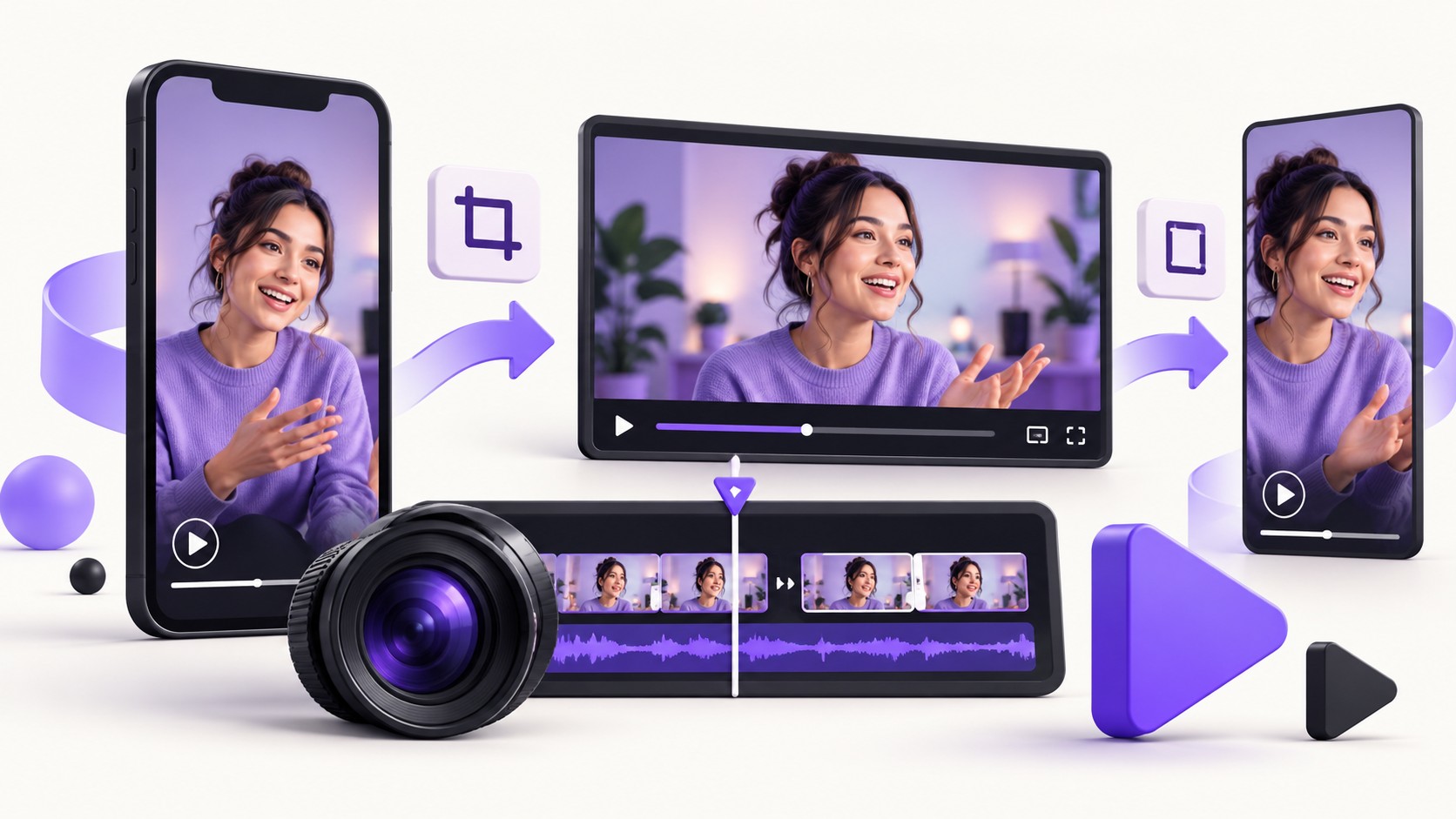
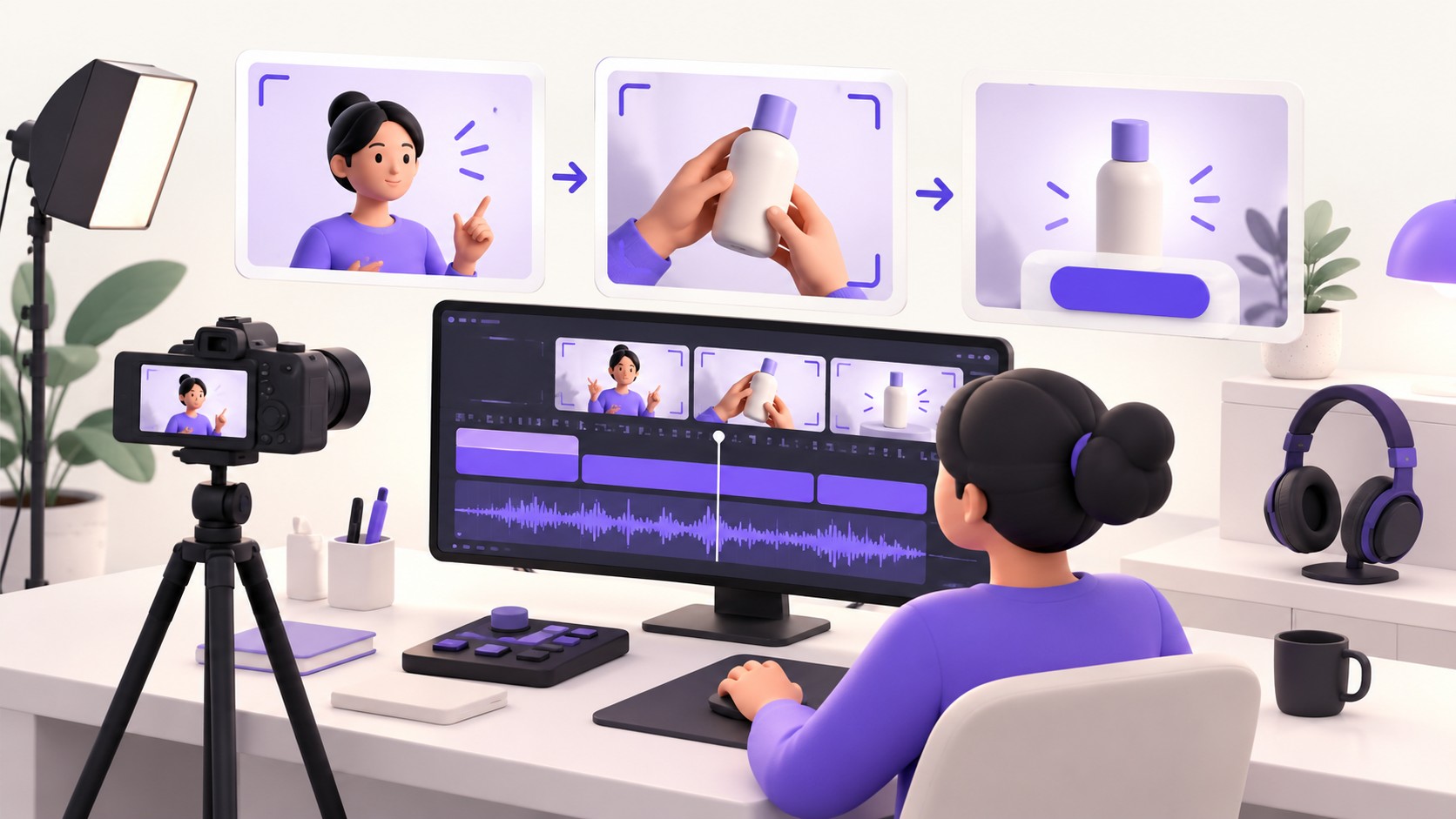
Use the platform’s current asset requirements when preparing exports. Review cropping, legibility, sound, captions and important visual elements in the placements you intend to use. Do not assume a file that looked correct in one social feed will work equally well everywhere.
Google’s October post also mentions Asset Studio’s multimodal video creation. Treat any available AI creation tool as part of the production workflow: preview the output, check product accuracy, review claims and confirm brand suitability before approving it.
Use a simple asset register. Include the file version, source footage, usage permission, intended campaign and approval date. That makes later edits and renewals easier to manage.
Build a small test you can learn from
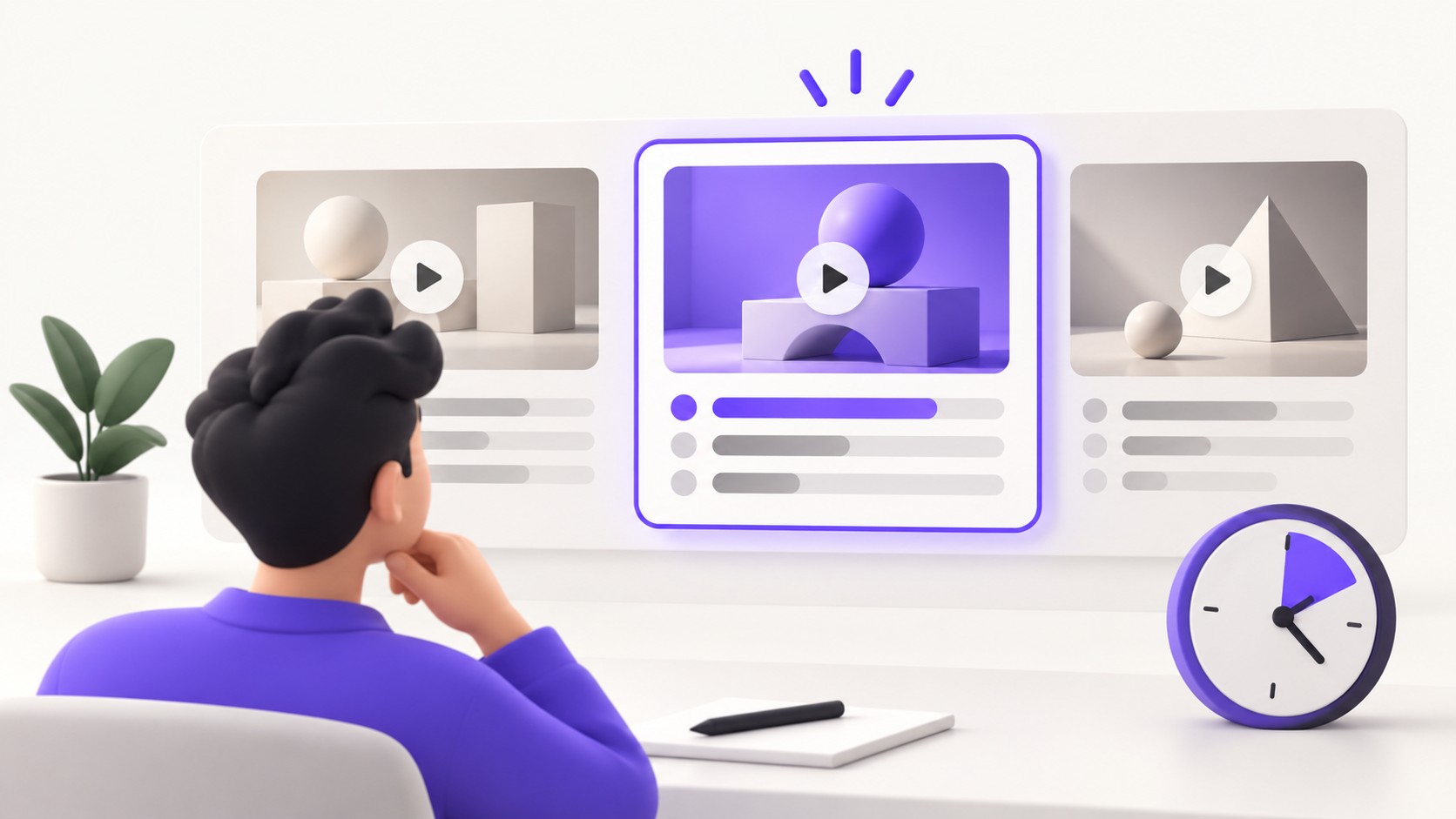
Choose one meaningful question. You might compare an opening based on a customer problem with an opening based on a product demonstration. Keep other important elements similar enough to understand the result.
Before launch, agree the primary outcome and how you will judge quality. A lead campaign should consider useful inquiries, not only video attention. An e-commerce campaign should consider the relevant business records and measurement limits.
Record major changes and allow for the time your customer journey requires. If the landing page changes halfway through the test, document that context. A tidy test log is often more valuable than a dashboard containing many unlabeled variations.
Hypothesis · Audience · Message · Asset version · Destination · Primary outcome · Review window · Decision. Fill in each field before adding another creative variation.
Respond to creative fatigue with evidence
A decline in performance can have several explanations. Review delivery, audience, offer, website experience and measurement alongside the creative. Do not assume that every dip means a new video is needed.
If a new asset is justified, change something purposeful: a different use case, a clearer demonstration or a better answer to an objection. Recoloring the same message repeatedly may create more files without improving the customer’s understanding.
Frequently asked questions
Can I reuse an organic video as an ad?
It can be a candidate if it meets current requirements and you have the necessary paid-use permissions. Review the message and destination as well as the file format.
How many versions should I create?
There is no universal number. Start with a manageable set that answers a defined test question and fits your production and review capacity.
Can AI create the final version for me?
Creation tools can help, but the finished asset still needs human review for accuracy, permissions, brand fit and campaign suitability.
Want to connect creative with a campaign plan?
Let’s turn the next step into a clear, practical plan for your business.
Let’s talk →